In public health surveys, one of the greatest challenges is ensuring accurate tracking, storage, testing, and reporting of laboratory samples across multiple locations. Without a coordinated laboratory data management system, surveys risk reporting delays, fragmented records, misplaced samples, data inconsistencies, and limited visibility into laboratory operations, all of which can affect the quality and reliability of survey outcomes.
During the ART Impact Survey (AIS) conducted in Akwa Ibom and Lagos States, the need for a centralised, reliable, and efficient laboratory data management solution became essential due to the volume of participant samples and the complexity of coordinating activities across multiple laboratories. To address this challenge, the Laboratory Data Management System (LDMS) was deployed across survey sites to support the laboratory component of the survey in ensuring seamless laboratory data coordination.

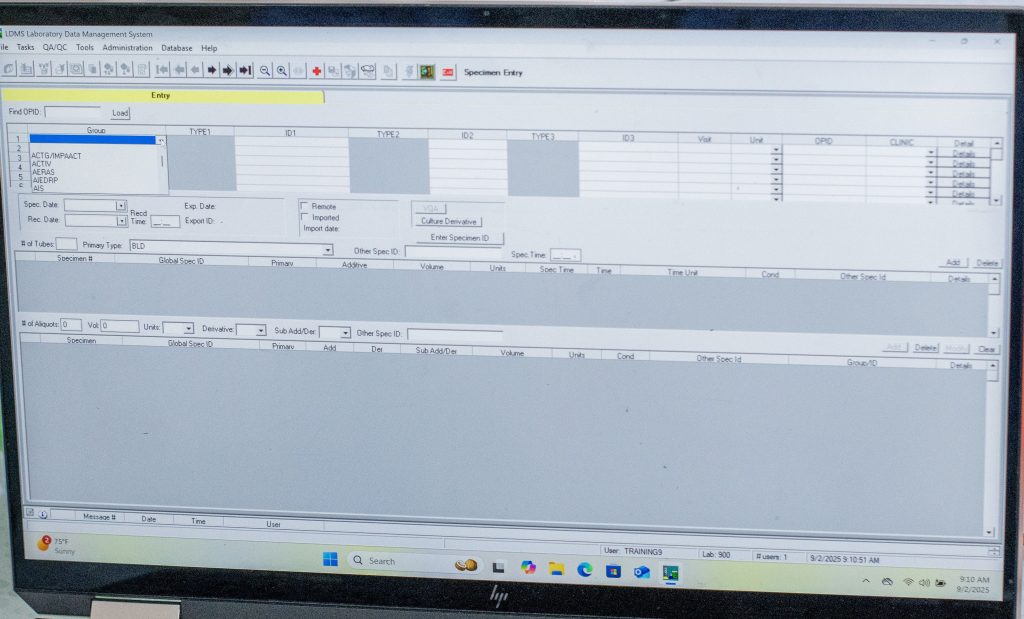
The LDMS served as the primary laboratory data-collection platform across both satellite and central laboratories throughout the survey. The system enabled efficient reporting and monitoring of specimen information, plasma, and Dried blood spot storage locations, quality assurance processes, confirmatory test outcomes, and sample shipments.
Designed as a comprehensive laboratory information management system used globally for medical research, clinical trials, and surveys, LDMS played a critical role in ensuring accurate specimen tracking and timely reporting of laboratory outcomes during the survey.
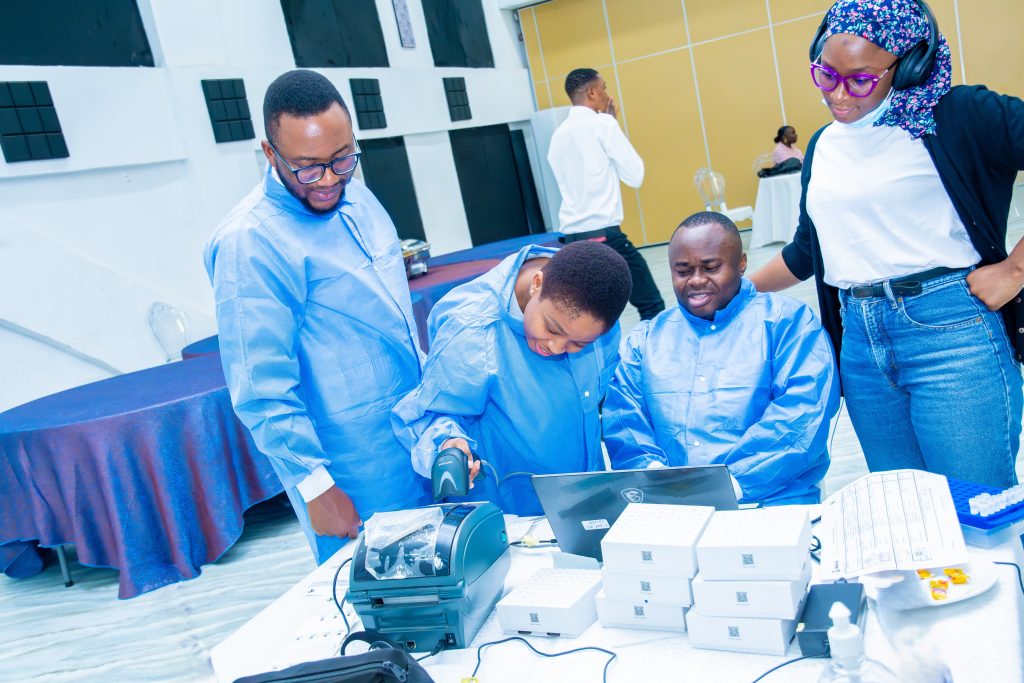
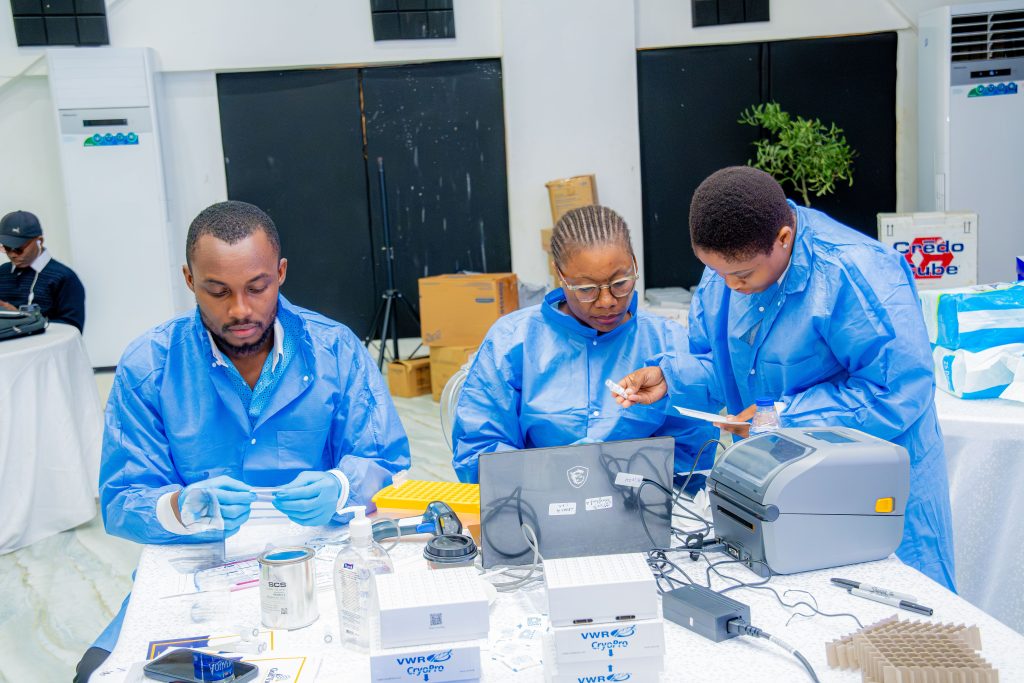
At the satellite laboratories, the platform enabled field teams to:
- Record participant and specimen information from Sample Tracking Forms (STFs)
- Capture HIV rapid test outcomes and self-reported status
- Document Quality Assurance outcomes and confirmatory test results using the GEENIUS assay
- Track plasma and DBS sample storage locations, including freezer, shelf, rack, and container details
- Validate and record shipment data files
- Generate reports on laboratory activities and sample management
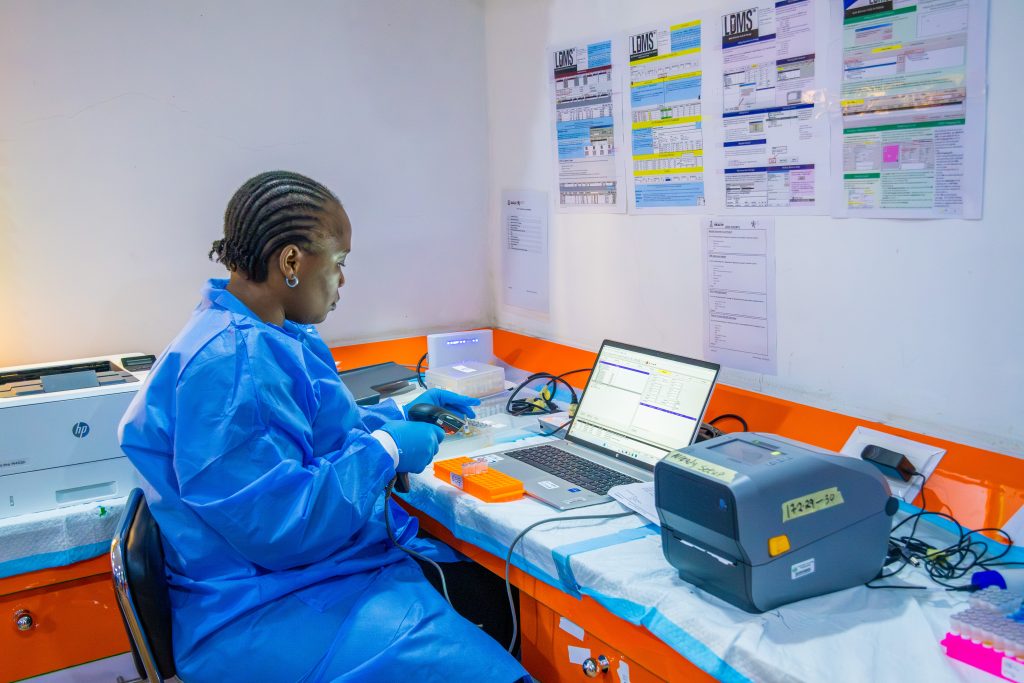
At the central laboratory, LDMS facilitated:
- Verification and receipt of shipped samples from satellite laboratories
- Centralized tracking and logging of sample storage locations
- Reporting and monitoring of laboratory activities
- Identification of samples selected for laboratory testing, including drug resistance and antiretroviral (ARV) presence testing
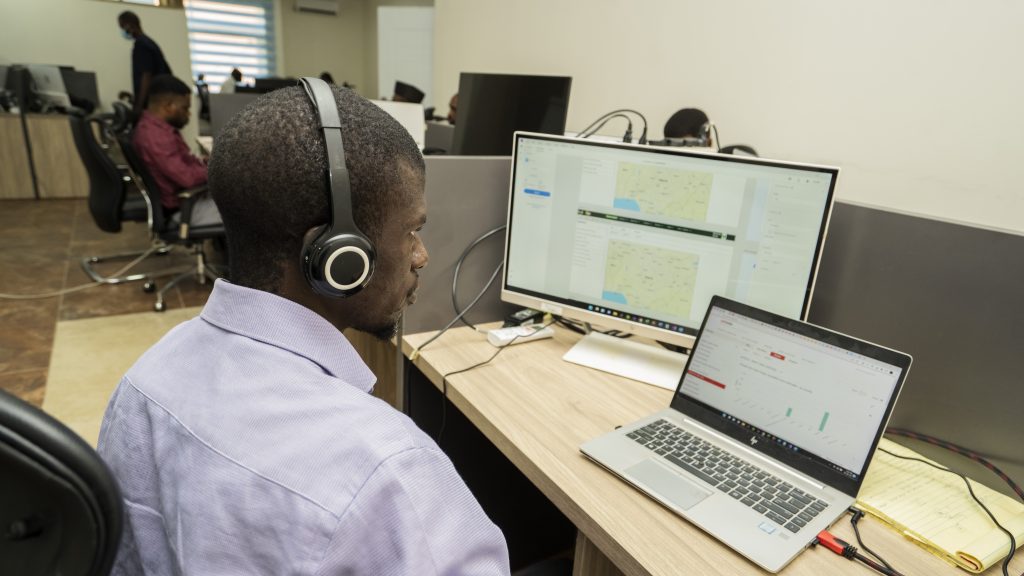
One of the key innovations introduced through PHIS3’s implementation was the seamless integration of LDMS with the AIS Survey Information Management System (SIMS). Through the LDMS export module, laboratory data was automatically transmitted to a centralized data repository linked to the SIMS platform, enabling real-time analytics, dashboards, and reporting on sample conditions and laboratory activities.
This integration significantly improved data visibility, operational efficiency, and quality assurance throughout the survey process, ensuring that laboratory data remained accurate, accessible, and actionable for decision-making.
PHIS3’s support in leveraging digital systems like LDMS demonstrates the project’s ongoing commitment to strengthening Nigeria’s public health surveillance and laboratory information systems. Through innovative technology-driven solutions, PHIS3 continues to improve data quality, operational efficiency, and evidence-based response mechanisms within the health sector.
The successful use of LDMS during the AIS survey highlights the importance of strong digital infrastructure in supporting national health priorities and reinforces PHIS3’s role as a key driver of health systems strengthening and laboratory data innovation.
As Nigeria continues to advance disease surveillance and health data management, PHIS3 remains dedicated to building resilient systems that improve public health outcomes and support informed decision-making across the country.