APIN/PHIS3 Project Role in EMR Upgrades and Scale-Up
Executive Summary
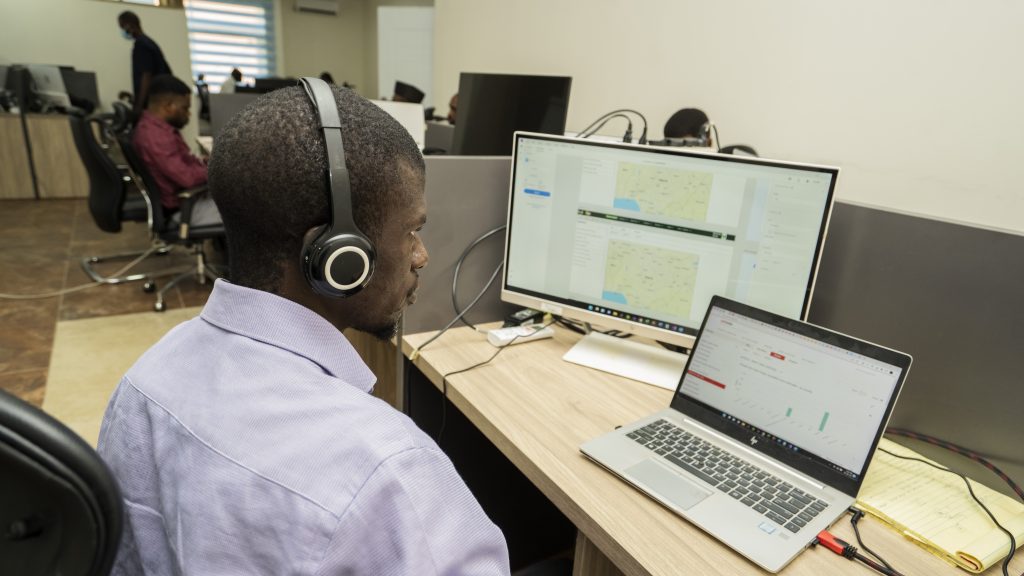
For over 20 years, APIN Public Health Initiatives has been at the forefront of Electronic Medical Record (EMR) systems in Nigeria, building, deploying, and sustaining the platforms that health facilities across the country rely on every day.
Our involvement with EMR systems dates to 2005. Since then, our teams have provided technical leadership for EMR implementation, enhancement, and ongoing support across multiple platforms, giving us a rare depth of institutional knowledge in how these systems perform in real-world Nigerian health facilities. That expertise was put to the test in 2019, when APIN led the migration of more than 500 health facilities across eight states from several legacy EMR systems onto the Nigeria Medical Records System (NMRS). The transition preserved patient records and kept reporting and service delivery running without interruption, a scale of migration that demanded careful planning, robust data harmonization, and close coordination with facility staff.
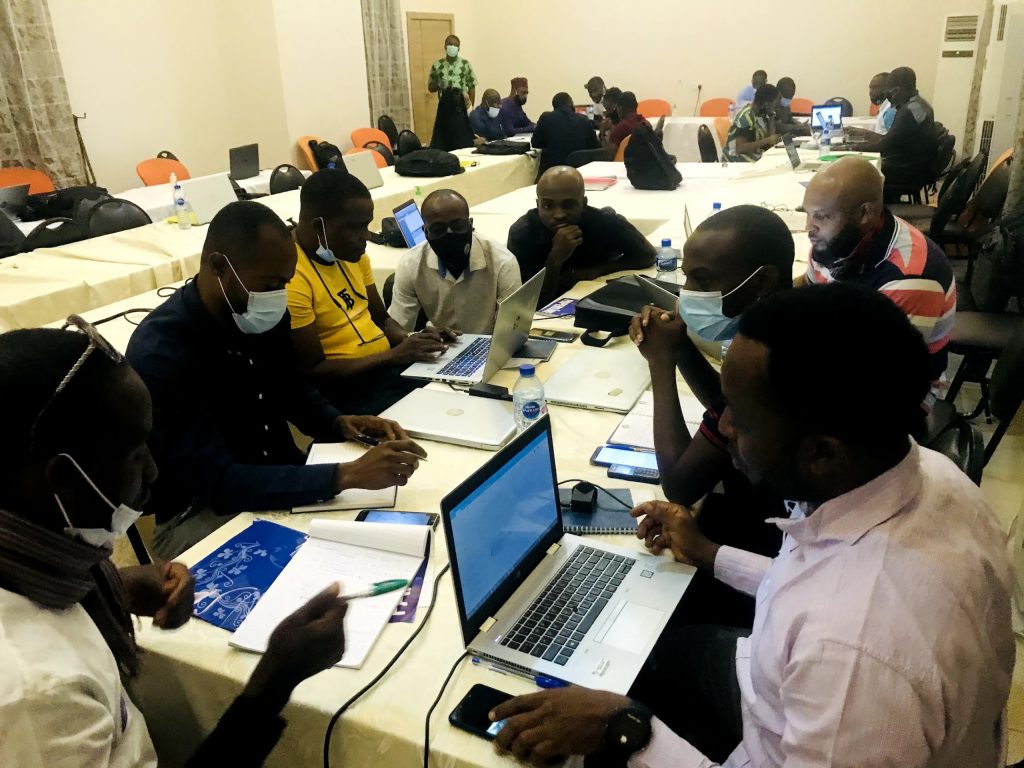
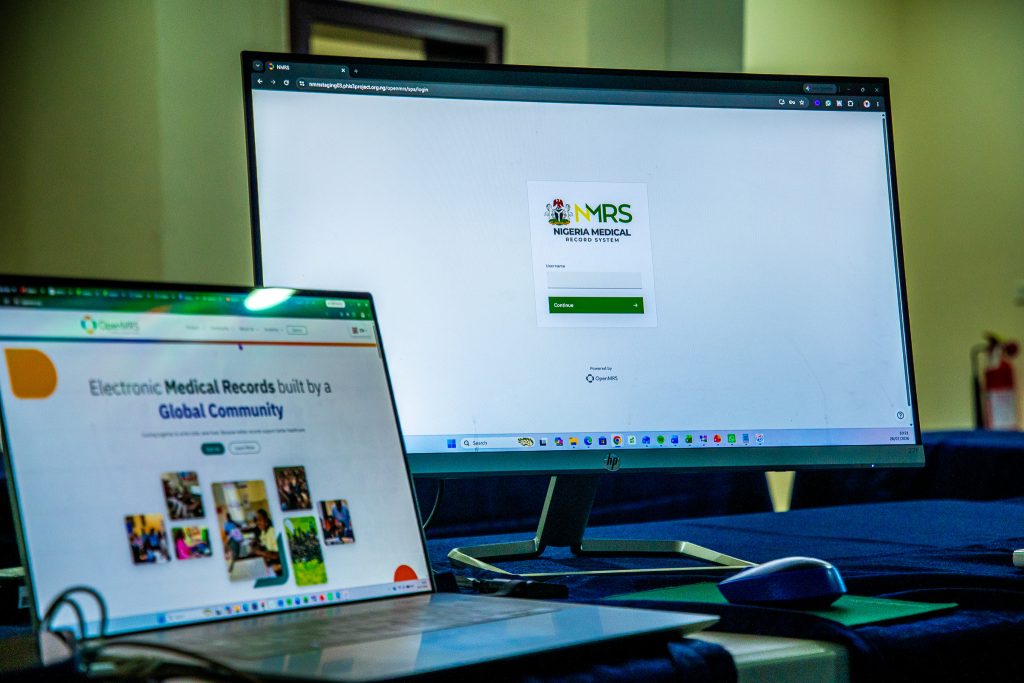
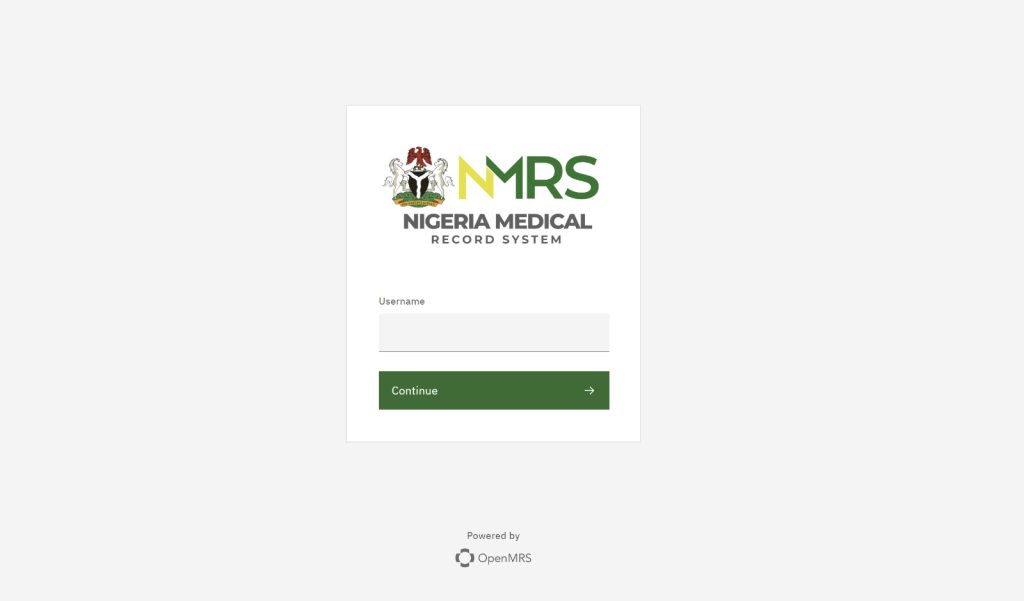
The Nigeria Medical Records System (NMRS) has served as one of the country’s flagship electronic medical record (EMR) platforms, supporting HIV service delivery and strengthening health information management across public health programmes. As healthcare delivery and digital technologies continue to evolve, the need emerged for a modern platform that offers improved usability, enhanced interoperability, scalable architecture, and sustainable collaborative development.
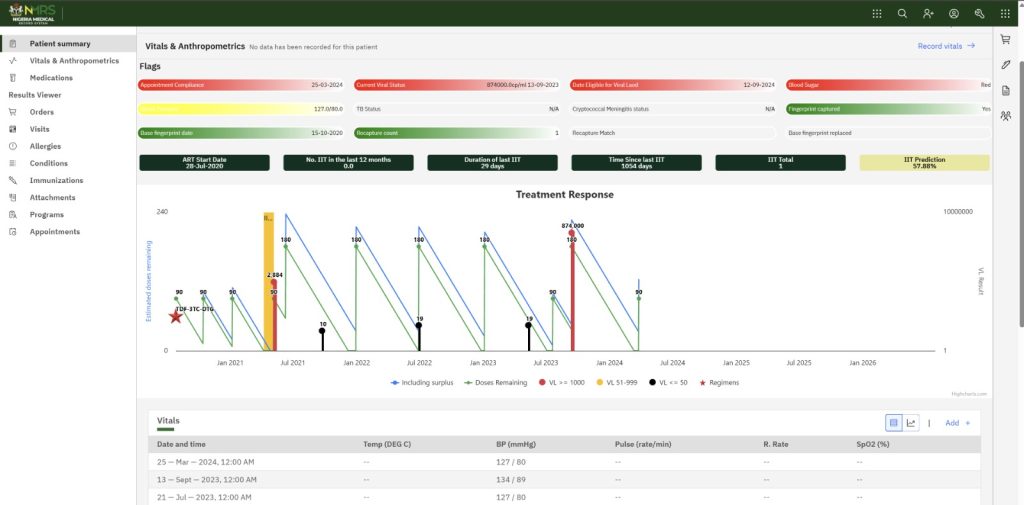
NMRS 3.x was developed to address these needs by leveraging the OpenMRS 3.x framework and adopting a modern software development approach centred on user experience, modular architecture, and continuous improvement. APIN Public Health Initiatives played a leading role throughout the project lifecycle, providing technical coordination, software development support, implementation management, pilot coordination, user acceptance testing (UAT), deployment support, and collaborative GitHub management. Working alongside the USG under CDC close supervision, the Federal Ministry of Health, CDC funded implementing partners, software developers, and healthcare workers, APIN helped transform user requirements into a nationally scalable EMR platform.
Today, NMRS 3.x is progressing through national scale-up, providing a modern digital health platform capable of supporting Nigeria’s vision for integrated, interoperable, and sustainable health information systems.
Background
Digital transformation has become central to strengthening health systems worldwide. Investment in national digital health infrastructure has increasingly focused on interoperable, standards-based systems capable of supporting clinical care, programme management, disease surveillance, and national reporting. While previous versions of NMRS successfully supported HIV programmes, changing healthcare needs required a more modern platform capable of delivering improved user experience, enhanced performance, simplified maintenance, and greater flexibility for future expansion. The transition to OpenMRS 3.x presented an opportunity not only to modernize the software architecture but also to strengthen governance, collaborative software development, and long-term sustainability.
Project Objectives
The NMRS 3.x initiative was never just a software upgrade; it was conceived as a reset of how Nigeria builds and owns its digital health tools. From the outset, the project was designed around a set of interlocking objectives, each addressing a gap that had become apparent over years of running earlier NMRS versions in the field:
- Modernize one of Nigeria’s national EMR platforms using OpenMRS 3.x, moving beyond the constraints of the legacy architecture.
- Improve clinical workflows and user experience, so the system fits how clinicians actually work rather than the other way around.
- Strengthen interoperability with national digital health systems, positioning NMRS as a genuine part of Nigeria’s broader health information ecosystem rather than a standalone silo.
- Establish a collaborative software development ecosystem where multiple implementing partners and developers can contribute to the same codebase without stepping on one another.
- Improve software quality through structured testing, catching problems before they reach a facility rather than after.
- Support phased national deployment, so lessons from early sites inform and de-risk the sites that follow.
- Build a sustainable platform that is owned and continuously improved from within Nigeria, not dependent on any single vendor or partner to keep it alive.
These objectives reflect a shift in vision of delivering a working system to delivering a system Nigeria can keep improving on its own terms.
APIN/PHIS3’s Technical Contribution
APIN/PHIS3 served as one of the principal technical partners supporting both the development and implementation of NMRS 3.x. Our contribution ran across four connected areas of work: technical coordination, collaborative software development, GitHub governance, and hands-on deployment support. Each described in more detail below
Technical Coordination
APIN/PHIS3’s role in technical coordination existed precisely to close that gap, sitting at the intersection of government stakeholders, implementing partners, software developers, and programme teams, and making sure that what got built actually matched what the national programme needed.
In practice, this meant running the connective tissue of the project: gathering requirements directly from the people who would use the system, facilitating technical design discussions where competing priorities had to be reconciled, and taking on the day-to-day work of product management so that development effort stayed focused on what mattered most. It meant coordinating sprints so that development work moved in predictable, reviewable increments; working through feature prioritization when everyone’s request felt urgent; keeping a wide circle of stakeholders engaged and informed as the platform evolved; and planning releases so that new functionality reached facilities in a controlled, well-communicated way rather than as a surprise.
This coordination role was less visible than writing code, but it is what kept NMRS 3.x development anchored to real programme needs rather than drifting into a purely technical exercise.
Collaborative Software Development
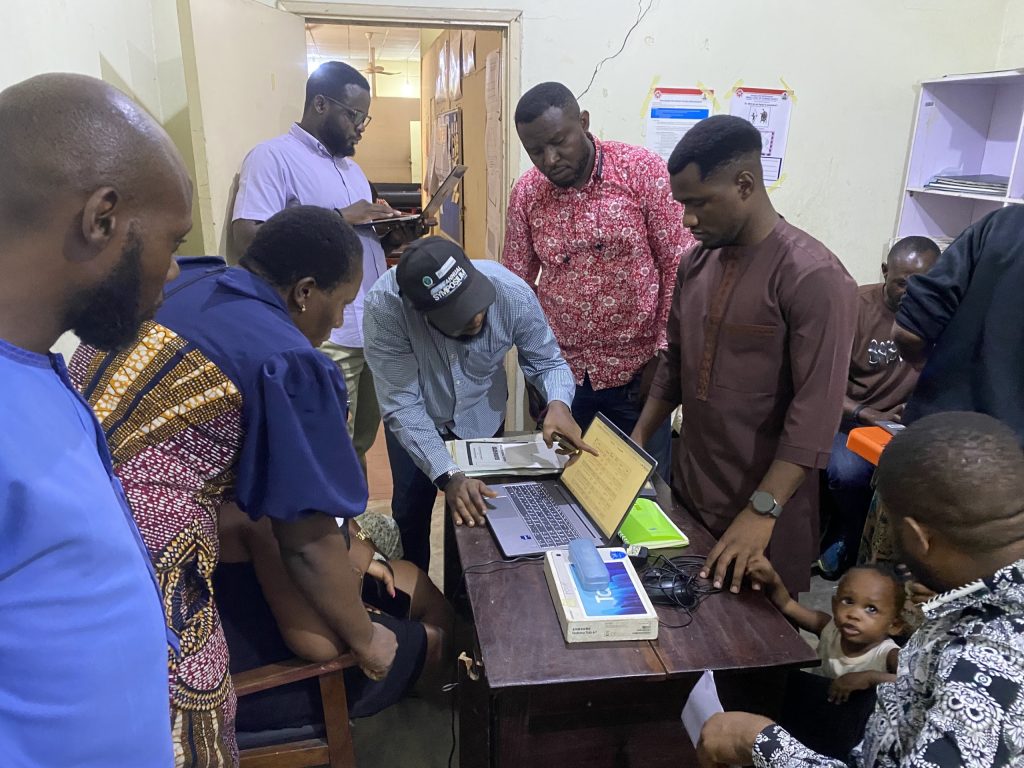
APIN/PHIS3 supported the full software development lifecycle, acting as the translator between programme and the technical requirements that developers could actually build against.
That work took shape through the everyday discipline of Agile delivery: writing functional specifications precise enough to guide development but flexible enough to accommodate real-world discovery; developing user stories that captured what a clinician, data officer, or facility administrator actually needed to accomplish; and validating features against real use cases before calling them done. It also meant staying with the platform through the messier parts of the process, tracking and managing bugs as they surfaced from testing and pilot use, maintaining software documentation so that knowledge did not live only in individual developers’ heads, and managing change carefully so that new features did not destabilize workflows that facilities already relied on.
Because NMRS 3.x was being built by developers from multiple implementing partners rather than a single team, this translation work carried extra weight, it was often the only thing standing between a well-intentioned feature request and a genuinely useful one.
GitHub Governance
Sustainable software is not just a matter of good code; it depends on the collaboration practices around that code. Recognizing this, APIN supported GitHub-based development workflows that allowed developers from multiple implementing partners to contribute to a shared NMRS 3.x codebase without collaboration collapsing into chaos.
This governance role covered full repository administration, alongside active issue management to ensure that reported problems were triaged and tracked rather than lost. It included coordinating pull requests so that contributions from different teams could be reviewed and merged cleanly, tracking features through their full lifecycle from proposal to release, and managing releases and version control so that facilities always knew which version of the software they were running and why.
Beyond the mechanics, this governance model built something less tangible but equally important: a working culture of transparent collaboration, where contributors from different organizations could trust the process even when they didn’t know each other personally. That trust, more than any single tool, is what kept the collaborative development model functioning.
Development Approach
NMRS 3.x was built using an iterative Agile methodology, deliberately structured around continuous stakeholder engagement rather than a single upfront specification handed off to developers. The reasoning was straightforward: a platform meant to serve clinical workflows across hundreds of facilities cannot be designed correctly in one sitting. It has to be shaped through repeated contact with the people who will actually use it.
Requirements Analysis
Development began with structured consultations involving clinical users, programme managers, implementing partners, and government representatives, all working to identify functional requirements and the enhancements that mattered most. These were not one-off workshops but a recurring process, revisited as the platform evolved and as new priorities emerged from the field.
System Development
With requirements in hand, software development work focused on three fronts at once: improving clinical workflows so that everyday tasks took fewer clicks and less cognitive effort, modernizing the user interface to bring it in line with contemporary software design rather than the dated interfaces clinicians had grown used to tolerating, and strengthening performance and maintainability by building on OpenMRS 3.x’s more modern technology stack. Development proceeded in short, reviewable cycles rather than long, opaque builds, each cycle producing working functionality that could be examined, tested, and refined before the next increment of work began. This cadence gave the project the flexibility to respond quickly when field feedback surfaced a workflow that didn’t quite fit, rather than discovering the mismatch only after national rollout.
Quality Assurance
Every development cycle incorporated technical reviews, functional testing, regression testing, and defect resolution before work progressed to user validation. This iterative approach allowed the platform to keep improving throughout the build rather than treating quality as a final checkpoint and it meant that by the time a feature reached real users, most of the rough edges had already been sanded down.
Pilot Implementation and User Acceptance Testing
Before any national deployment, NMRS 3.x was piloted under real-world operating conditions to validate that it actually worked the way it was designed to. End users, programme teams, and technical personnel took part in structured User Acceptance Testing exercises covering core clinical workflows, reporting processes, usability, and overall system performance.
Feedback from the pilot sites fed directly back into successive rounds of software refinement, so that issues surfaced during testing were resolved before the platform reached a wider audience. If the pilot phase proved anything, it was the value of keeping developers and end users in close, continuous contact and the result was a platform that reflects how healthcare delivery actually happens on the ground, not how it looks on a whiteboard.
National Deployment
Following successful piloting and UAT, NMRS 3.x moved into phased national deployment, a rollout designed to spread learning across sites rather than repeat the same mistakes at scale. APIN/PHIS3, working in collaboration with the U.S. Government, supported this phase end to end.
Deployment planning came first: sequencing which facilities and states would go live in which order, and under what conditions. Environment configuration followed, preparing each site’s technical infrastructure to actually run the platform. Technical implementation teams then carried out the installation and integration work itself, followed closely by user training because even the best-designed system fails if the people using it every day don’t understand how it works. Go-live support kept teams present and responsive during the most vulnerable moment of any rollout, the first days a facility depends on a new system for real patient care. Post-deployment issue management ensured that problems surfacing after go-live were tracked and resolved rather than left to accumulate, and continuous system optimization kept the platform improving even after facilities were fully live.
This phased, learning-as-you-go approach allowed each new wave of deployment to benefit from what the sites before it had already discovered , turning national scale-up into a process of compounding improvement rather than a single high-stakes launch.
Key Lessons
The NMRS 3.x experience offers several lessons that extend well beyond this one platform, and are worth carrying into future large-scale digital health programmes:
- Successful EMR modernization depends on close collaboration between software developers, clinicians, programme teams, and government stakeholders. No single group can carry it alone.
- Early user engagement significantly improves software adoption; systems designed with users, not just for them, get used.
- Agile development enables rapid response to changing programme needs, rather than locking the project into assumptions made at the very start.
- GitHub provides an effective platform for coordinating collaborative software development across multiple implementing partners.
- Pilot implementation and structured UAT substantially improve software quality before national rollout, catching problems while they are still cheap to fix.
- Continuous technical support remains essential for sustaining digital health systems long after deployment. The work does not end at go-live.
Looking Ahead
As Nigeria continues strengthening its Digital Public Infrastructure for Health, NMRS 3.x provides a modern foundation for future innovation. Future enhancements will continue to focus on interoperability, user-centered design, improved analytics, enhanced reporting, and integration with national digital health systems. APIN/PHIS3 remains committed to supporting collaborative software development, national implementation, and continuous innovation to ensure that NMRS continues evolving alongside Nigeria’s healthcare system.